
ZERO Institute wins the CIBSE Awards 2025
The ZERO Institute won the CIBSE Awards 2025 in Learning and Development.
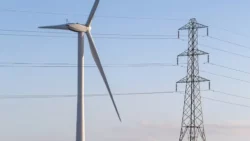
The continuing expansion of ‘greener’ energy alternatives such as wind power is underlined by the fact that it’s currently the largest source of renewable energy in the UK.
The UK’s pledge to reach net-zero emissions by 2050 hinges on replacing millions of petrol and diesel vehicles with cleaner alternatives. But transitioning to electric transport isn’t just about manufacturing new cars, installing chargers and so on. It’s a gargantuan energy generation cha...
Drivers worldwide are scrapping their polluting diesel and petrol cars in favour of a cleaner, greener solution – electric vehicles (EV). But we can’t afford to solve one crisis and cause another, writes Dr Mahfuz Kamal, CEO at Recovolt.
Refugees are providing energy within camps home to millions of displaced people around the world, research by Sarah Rosenberg-Jansen, Research Associate, Refugee Studies Centre has found. There are now more than 120 million forcibly displaced people globally. Although United Nations humanitarian ...
How we keep warm at home accounts for 17% of the UK’s greenhouse gas emissions. The UK cannot reach net zero emissions, and end its contribution to climate change, without ending its reliance on natural gas as the dominant source of heating.
With renewable energy development outpacing infrastructure upgrades, data centres face mounting risks in power reliability. Hybrid power solutions, including gas generators, could bridge the gap.
Global electricity demand is anticipated to increase 4% each year up to 2027, according to a report by the International Energy Agency (IEA).
Energy investment trends are shifting towards sustainability according to an L.E.K. Consulting study, but challenges still remain for some solutions