
MT26 Energy Seminar – Week 7: The Costs and Opportunities of the Energy Transition: Copper Mining in Zambia
Prof. Stephanie Hirmer, Associate Professor of Just Energy Systems, Department of Engineering Science, University of Oxford
- Start Tuesday 24 Nov 2026 5:00pm
- Finish Tuesday 24 Nov 2026 6:00pm
- Venue School of Geography & the Environment
- Postcode OX1 3AN
- Register for event
Summary: The global shift to clean energy is increasing demand for the critical materials needed for renewable technologies and electric vehicles. For mineral-rich countries such as Zambia, this creates opportunities for investment, economic growth and participation in emerging clean-energy supply chains. However, it also raises important social and environmental challenges. Drawing on research from the FCDO-funded Climate Compatible Growth (CCG) and UK PACT programmes, this seminar examines how critical materials mining and processing affect the wider communities and systems around them. It explores how benefits and impacts are distributed and considers how place-based approaches can help deliver more equitable outcomes from the energy transition.
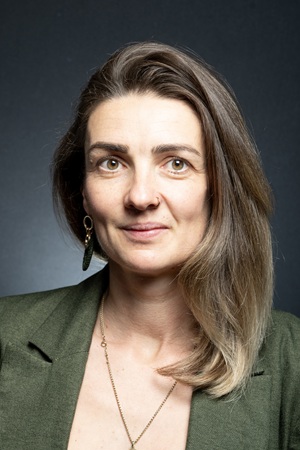
Speaker: Prof. Stephanie Hirmer is Associate Professor of Just Energy Systems in the Department of Engineering Science at the University of Oxford and a Fellow of Christ Church. She is Research Chair of the FCDO-funded Climate Compatible Growth programme and leads research on equitable energy transitions and place-based infrastructure decision-making. With nearly 20 years of experience in the energy sector spanning academia and international development practice, her work combines technical energy systems modelling with quantitative and behavioural approaches to understand how infrastructure investments can better serve communities and deliver equitable social and economic benefits. Her research examines how energy infrastructure—and the wider infrastructure and resource systems that enable the energy transition—interacts with the social and environmental contexts in which it is placed, including both the opportunities these investments create and their wider impacts.